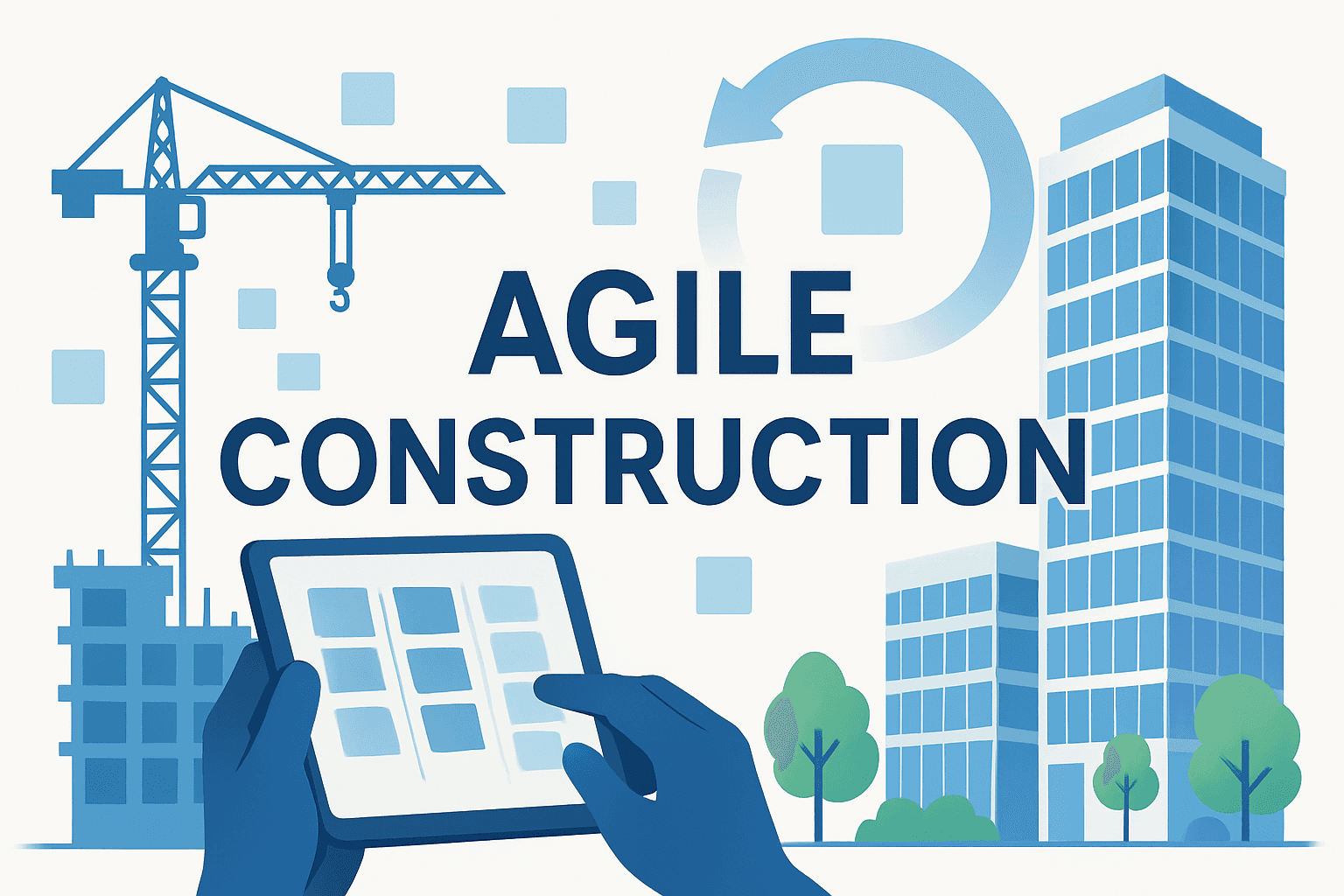
The engineering and construction sectors in the Gulf region—especially Saudi Arabia and the UAE—are undergoing one of the fastest transformations in the world. With giant national initiatives, smart city developments, and record-fast project cycles, traditional engineering workflows are no longer enough. Delays, miscommunication, cost overruns, and slow decision-making have pushed many companies to search for a more adaptable and responsive model.
Here comes Agile Engineering: a modern methodology that combines digital tools, real-time collaboration, flexibility, and fast decision-making. Originally inspired by agile software development, agile engineering is now being used in architecture, construction, digital engineering, and BIM-driven projects to create smarter, faster, and more cost-efficient solutions.
Here comes Agile Engineering: a modern methodology that combines digital tools, real-time collaboration, flexibility, and fast decision-making. Originally inspired by agile software development, agile engineering is now being used in architecture, construction, digital engineering, and BIM-driven projects to create smarter, faster, and more cost-efficient solutions.
Agile engineering is a project delivery methodology based on flexibility, continuous communication, digital collaboration, and iterative progress. Instead of rigid, linear workflows where teams wait for each step to finish before starting the next, agile engineering breaks the project into short cycles—often called “sprints”—where work, feedback, and improvements happen simultaneously.
Agile engineering relies on four main principles
Teams can adapt to changes in design, site conditions, or client feedback without breaking the project timeline.
Clear, daily coordination reduces misunderstandings and rework—one of the biggest challenges in traditional engineering.
Every “sprint” ends with a completed portion of work, ready for review and improvement
BIM, cloud platforms, and digital dashboards help teams visualize progress instantly.
Engineering projects have become far more complex than they were a decade ago. Deadlines are shorter, budgets are tighter, and clients expect more transparency and flexibility. Agile provides a structured way to meet these demands without sacrificing quality.
Key benefits include:
The Gulf region is not an ordinary market. Its scale, speed, and ambition require a different engineering mindset. Here’s why agile engineering fits perfectly:
Saudi Arabia’s Vision 2030 and the UAE’s smart city expansion demand rapid engineering without compromising precision. Agile workflows allow fast decision-making, immediate feedback loops, and quicker approvals.
Gulf projects often operate on aggressive schedules. Agile ensures teams can adjust instantly to changes instead of waiting weeks for redesign reviews.
BIM is becoming mandatory in Saudi Arabia, Dubai, and Abu Dhabi. Agile engineering enhances BIM workflows through iterative digital coordination, clash detection sprints, and model updates in real time.
With rising material and labor costs, agile engineering helps reduce waste, prevent rework, and optimize resource allocation.
Clients in the Gulf expect transparency, speed, and flexibility. Agile provides structured communication and continuous updates, improving trust and clarity.
Agile engineering and BIM are a perfect match. Together, they create a digital-first environment that supports:
Every BIM sprint ends with a model update ready for stakeholder review, making the entire process more predictable and efficient
Agile reduces design review time, helping deliver affordable housing in record time
Agile supports fast integration between architecture, landscape, mobility, and infrastructure teams.
Clients expect frequent updates and visual clarity—agile provides both.
Agile Solution: Weekly review cycles reduce approval times by 40–60%
Agile Solution: Continuous monitoring allows early detection of risks and can deduct cost from 70% to 30%
Agile Solution: Daily/weekly coordination clarifies responsibilities instantly.
Floatmap adopts a digital-first agile approach built on:
This approach helps deliver integrated engineering projects faster, clearer, and with a higher success rate.
Agile engineering is more than a trend—it’s the future of engineering in the Gulf. With Saudi Arabia and the UAE pushing digital transformation and smart development, companies must evolve beyond traditional workflows. Agile engineering unlocks faster delivery, better cost control, stronger collaboration, and more predictable outcomes.
Floatmap’s agile approach positions it as a leader in modern engineering consultancy—delivering innovation, precision, and digital excellence for every project.
Looking for agile engineering, BIM support, or integrated project design?
Request a consultation with Floatmap today and build smarter, faster, and more efficiently.
%2520(1)-1.jpg&w=3840&q=75)


.png&w=3840&q=75)

-1.jpg&w=3840&q=75)