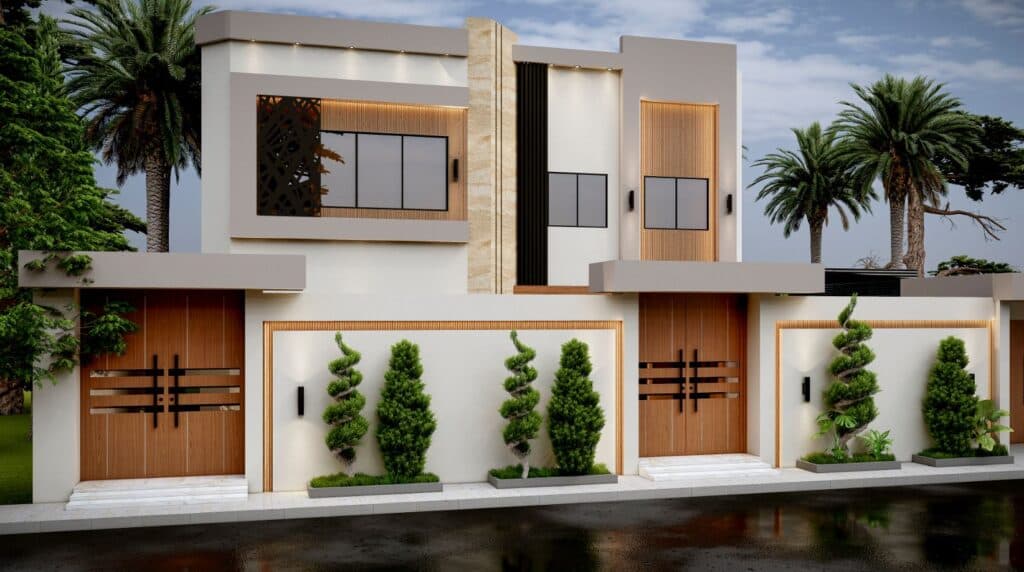
Modern façade design is no longer about appearance alone. Today, façades play a critical role in performance, sustainability, constructability, and long-term value. For architects and developers, a well-designed façade can define a project’s identity while ensuring efficiency, durability, and compliance.
In this guide, we explore six essential secrets of modern façade design, focusing on materials, techniques, and execution details that every architect should understand to deliver successful contemporary projects.
One of the biggest misconceptions in modern architecture is that façades are purely visual elements. In reality, a façade is a building system that must respond to climate, orientation, and user comfort.
Key performance considerations include:
High-performing façade design reduces operational costs and supports sustainability goals. This is why early coordination between architectural design, engineering documentation, and façade detailing is essential.
Modern façade materials are chosen not only for their appearance but also for their behavior, lifespan, and installation requirements.
Common materials in contemporary façade design include:
Each material requires a clear understanding of structural support, expansion joints, fixing methods, and maintenance needs. Poor material selection often leads to cost overruns and execution challenges during construction.
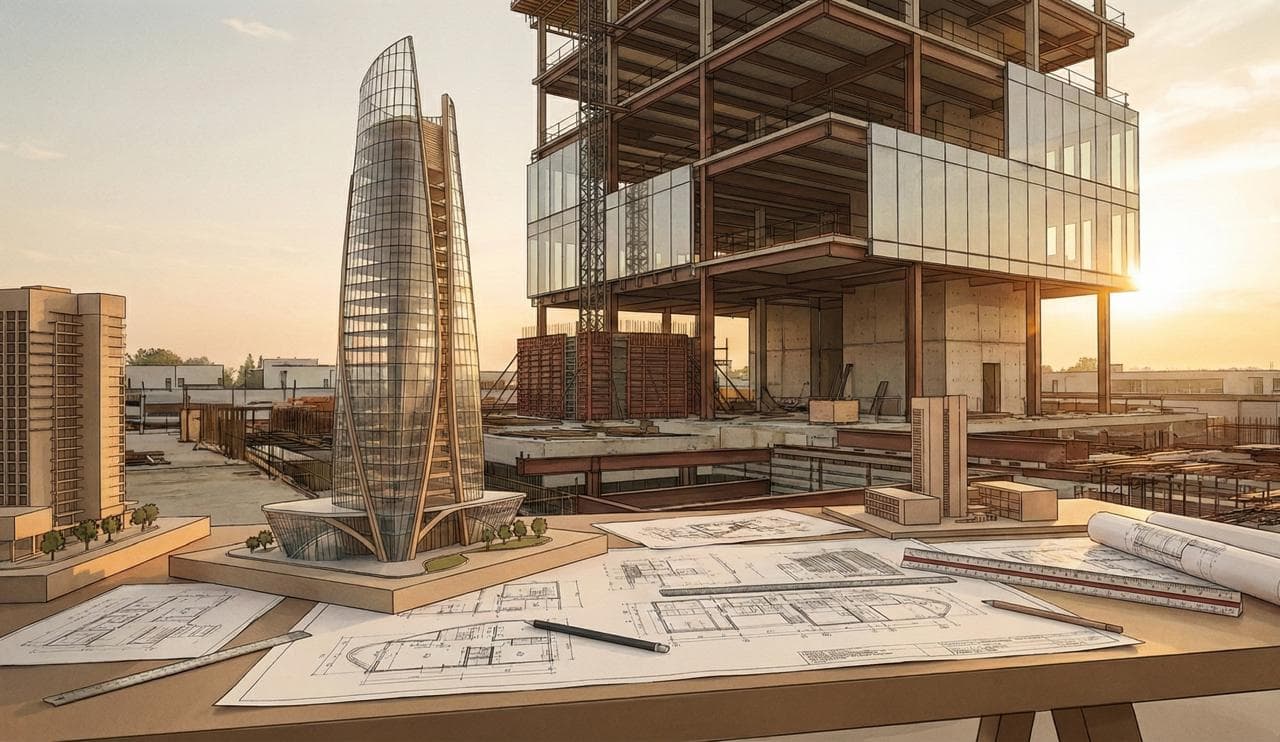
Façade detailing is where most architectural projects succeed or fail. Modern façades demand precision in drawings and coordination.
Critical details architects must never overlook:
Accurate shop drawings, façade sections, and coordination drawings are essential to translate design intent into buildable solutions.
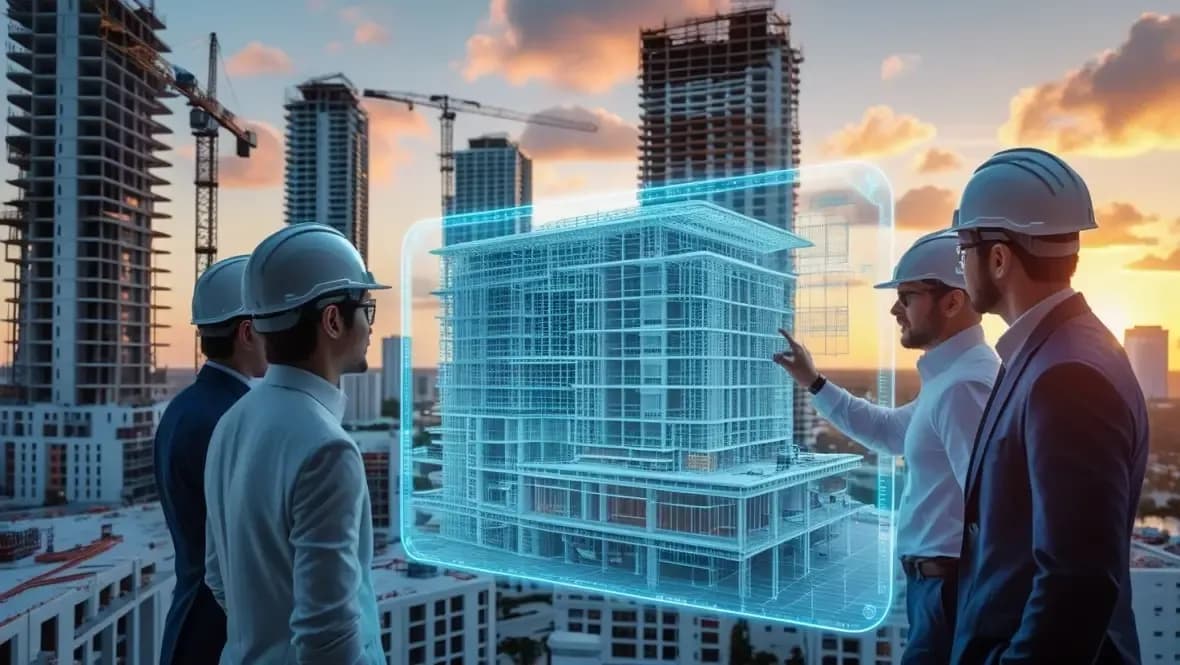
Modern façade design relies heavily on digital workflows and BIM coordination. Advanced tools allow architects and engineers to detect clashes, test performance, and refine details before construction begins.
Benefits of using BIM and digital façade modeling:
For complex projects, BIM-based façade design significantly improves project efficiency and reduces risks on site.
Sustainable façade design is not about adding green features at the end of the project. It starts from the concept stage.
Sustainable façade strategies include:
A well-designed modern façade supports environmental performance while enhancing architectural quality and user comfort.
Even the best façade design can fail without proper coordination and execution. Modern projects require seamless collaboration between architects, engineers, and contractors.
Successful façade delivery depends on:
This is where back-office architectural and engineering support plays a crucial role in ensuring consistency, quality, and timely delivery.
As façade systems become more complex, many developers and consultants rely on specialized architectural and engineering partners to support design development, documentation, and coordination.
Professional support teams help by:
This collaborative approach allows project teams to focus on design excellence while maintaining technical accuracy.
Modern façade design is a balance between aesthetics, performance, materials, and execution. Architects who master these six principles can deliver façades that are not only visually striking but also efficient, durable, and buildable.
In today’s competitive construction environment, success depends on clear design thinking, strong documentation, and seamless coordination — all essential elements of contemporary architectural practice.
%2520(1)-1.jpg&w=3840&q=75)

.png&w=3840&q=75)

-1.jpg&w=3840&q=75)